

Where are you shopping for today?
Delivery State:
What are corner flashings?
Corner flashings are metal components used to protect and finish the junction where two surfaces meet at a corner of a building. A corner capping flashing is installed on the external corner of a roof or wall to direct water away from joins and prevent moisture ingress. As part of a complete roofing system, corner flashings help maintain the integrity of the roof, wall cladding, and flashing lines over time. Corner capping is commonly used alongside other roof flashings to provide a neat, sealed edge at exposed corners where water runoff, wind, and weather can cause wear if left unprotected.
Is corner flashing necessary?
Yes, corner flashing is an important component of any roof and wall junction. Without correctly installed roof flashings, water can enter at the corner and lead to leaks, deterioration, and long-term damage. External corners are especially vulnerable due to direct exposure to rain and wind. Using corner capping flashing helps improve waterproof performance, strengthens sealing at the corner, and reduces the risk of leaks around the roof and wall intersection. This is particularly important on metal roofing systems where precise sealing is critical.
What are the standards for flashing in Australia?
In Australia, roof flashing must comply with relevant building codes and standards, including the NCC (National Construction Code) and manufacturer installation guidelines. Flashings must be suitable for the roof pitch, materials used, and environmental conditions of the state where the building is located. Correct selection, measurements, and install methods are important to ensure long-term performance. Using high-quality materials such as COLORBOND® steel helps meet these standards while delivering strength and durability across a wide range of roof and wall applications.
What is the purpose of cap flashing?
Cap flashing is designed to cover and protect exposed edges and joins, particularly at the top of walls or corners. Similar in function to barge capping, cap flashing provides sealing and helps direct water away from vulnerable areas of the roof. On external corners, cap flashing and corner capping work together to protect against water penetration, helping maintain a waterproof seal and extending the life of the roofing system.
Where is corner capping flashing used?
Corner capping flashing is used on the external corner of a building where roof and wall surfaces meet. These flashings can be used on residential, commercial, and shed roofing projects, and are commonly installed near roof edges, wall intersections, and areas exposed to weather. They are also used in areas similar to barge capping applications, where additional protection and a clean visual finish are required.
Compatibility with roofing systems
This corner capping COLORBOND® flashing is designed to suit metal roofing and wall cladding systems. It integrates seamlessly with other roof flashings to support proper sealing and water management across the roof structure. When selected correctly, corner capping flashing supports the overall roofing system by reducing stress points and improving water control at joins.
Custom flashings and measurements
Every building is different, and standard sizes may not suit all requirements. We offer custom flashings made to your required measurements, length, and angles to suit your roof and wall layout. To order custom flashings: Download the custom flashings order form Enter your measurements and requirements Return the completed form to our team for processing This ensures your corner capping flashing suits your project exactly.
Materials and durability
Our corner capping flashings are manufactured from high-quality materials, including genuine COLORBOND® steel by BlueScope. These materials provide excellent strength, corrosion resistance, and long-term performance when exposed to harsh Australian conditions. Compared to alternatives such as copper, COLORBOND® steel offers a cost-effective solution with proven durability for roof and wall applications.
Preventing leaks and deterioration
Poorly sealed corners are a common cause of roof leaks. Installing the correct corner capping flashing helps reduce water entry, protects against deterioration, and improves the overall lifespan of your roof. Proper sealing around corners, chimneys, skylights, and wall junctions is essential for long-term waterproof performance.
Installation considerations
Correct install methods are critical to ensure flashings perform as intended. Flashings should be installed to suit the roof pitch, materials, and layout of the building. Fixings, overlaps, and sealing points must be positioned correctly to manage water flow and prevent leaks. If you are unsure which type of flashing to select, or what will best suit your requirements, our team can assist.
Selecting the right corner capping
When selecting corner capping flashing, consider: Roof design and pitch Wall and roof materials External corner exposure State-based weather conditions Required length and measurements Selecting the right flashing helps ensure strength, sealing, and long-term performance across your roof.
Ordering and support
You can order corner capping flashing online or request custom flashings depending on your project needs. For custom requirements, download the order form, complete your details, and return it to us for processing.
Additional benefits of corner capping flashing
Corner capping plays an important role in protecting the most exposed joints on a roof and wall system. By shielding the external corner from wind-driven debris, it helps prevent drafts and improves the overall energy efficiency of the building. This added protection supports the integrity of the roof and wall junction over the long term. By preventing water ingress, corner capping flashing reduces the risk of mould growth, wood rot, and corrosion of underlying materials. Properly installed flashing helps control water flow and protects areas that are most susceptible to leaks and deterioration.
Profiles, sizes and construction
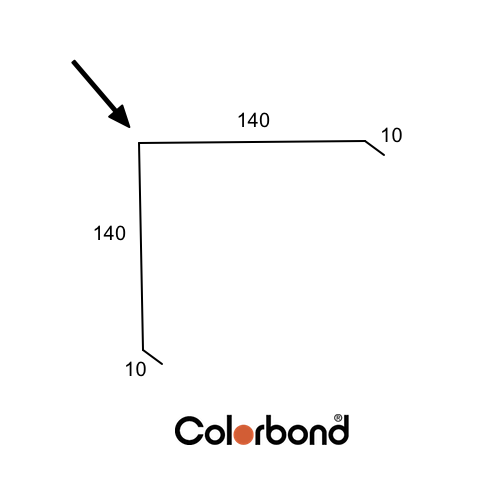
Corner capping flashing is commonly manufactured as a pre-bent right-angle or ‘L’ profile to suit external corners. Typical profiles include 90mm × 90mm or 75mm × 75mm, sometimes incorporating a small return edge (such as a 10mm return) to improve sealing and coverage. Custom lengths and folds are available depending on project requirements, allowing the flashing to suit different roof designs, wall layouts, and applications similar to barge capping.
Installation and integration
Corner capping flashing is secured using appropriate fixings such as screws or nails, often in conjunction with a high-grade sealant to ensure effective sealing. For best results, it must be integrated with other roof flashings to create a continuous water path across the roofing system. When used with steel sheet walling, flashing should lap at least one rib, with two ribs recommended to maximise waterproof performance and reduce the risk of water penetration at the corner.
Protection and long-term performance
By protecting joints that are most vulnerable to wear, corner capping flashing helps extend the overall lifespan of the building envelope. It safeguards underlying materials from rot, mould, and structural decay while maintaining a strong, weather-resistant seal at the corner. In addition to functional benefits, corner capping provides a smooth, uniform finish that conceals jagged edges of cut metal or timber, enhancing the building’s professional appearance.
Materials and finish options
Corner capping can be manufactured from a range of materials, including galvanised steel, aluminium, copper, ZINCALUME®, and COLORBOND® steel. Selecting the right material allows the flashing to match the roof or wall colour while providing corrosion resistance suited to Australian conditions. Our corner capping flashing products are made from genuine COLORBOND® steel by BlueScope, offering proven durability, strength, and compatibility with modern roofing systems. Alternative materials, including ZINCALUME® or copper, may be available depending on application and requirements.
Custom flashings and delivery
Custom lengths and folds for corner capping flashing can be requested to suit specific measurements and project requirements. This ensures accurate fit, correct sealing, and long-term performance across the roof and wall junction. Delivery for corner capping flashing products typically takes 4–7 working days, depending on location and order details. To request custom flashings: Download the custom flashing order form Enter your measurements and requirements Return the completed form for processing.
The information provided on this page is intended as a general guide only and should not be taken as technical, legal, or building advice. Product suitability, installation methods, and compliance requirements may vary depending on application, location, and state regulations.
Always consult relevant Australian Standards, manufacturer guidelines, and qualified building or roofing professionals to ensure products are suitable for your specific project and installed correctly.