
Where are you shopping for today?
Delivery State:
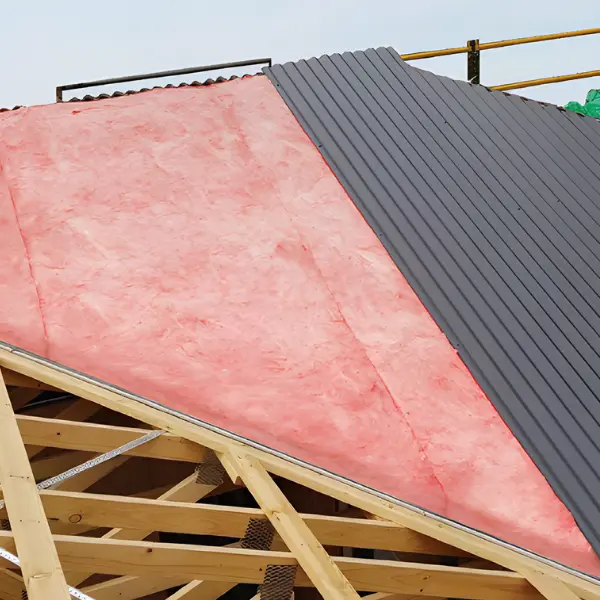
What a Roof Insulation Blanket Does
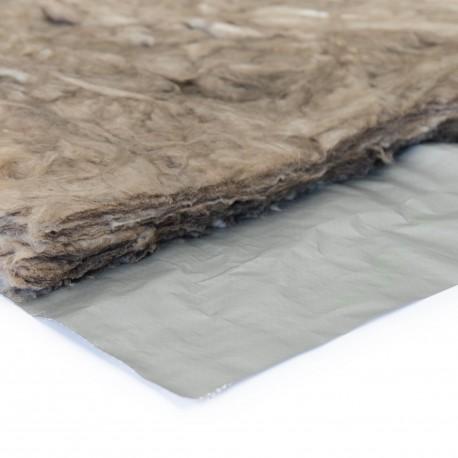
A roof insulation blanket is the layer between the roof sheet and the roof space. The glasswool does the thermal and acoustic work; the reflective foil stops radiant heat and moist air. Ceiling insulation on its own cannot stop condensation forming on the underside of a cold metal roof sheet, which is why a blanket goes under the sheet on almost every new COLORBOND® roof sheets and most re-roofing projects.
Specifications
Thickness: 55mm
R-value: R1.3 (material only)
Material: glasswool blanket with reflective foil facing
Roll: 15m long x 1200mm wide, 18m² per roll
Recycled content: up to 80% recycled glass
Fire: non-combustible glasswool fibres; foil facing flammability index 5 or less
Use: under COLORBOND®, ZINCALUME® and steel roof sheeting, residential and commercial buildings
Thermal Performance
Up to 42% of a home's winter heat loss goes through the roof. The 55mm glasswool slows heat flow in both directions, the reflective foil facing turns back most of the radiant heat coming off a hot roof sheet, and together they keep the roof space closer to room temperature. Homes are cooler in summer, warmer in winter, and heating and cooling run less, which is where the energy efficiency saving comes from. R1.3 is the standard thermal blanket for a metal roof over a conventional ceiling; the ceiling batts above the plasterboard do the bulk of the job, the blanket handles the roof sheet.
Condensation Control
On a cold morning the underside of a metal roof sheet drops below the dew point of the moist air in the roof space, and water condenses on the steel. Without a blanket those condensation droplets drip onto plasterboard ceilings and roof framing and end in stains and mould growth. The foil facing sits between the moist air and the cold sheet as a vapour barrier, and the glasswool keeps the foil warm enough that it does not sweat itself. That is the anti-condensation function, and it is the reason a roof blanket is used even in climates where the R-value alone would not justify it. Keep the blanket dry during installation; wet glasswool loses its R-value until it dries.
Acoustic Performance
Heavy rain and hail on bare steel is the noise people replace a roof to escape. The glasswool absorbs impact and reverberant noise at the sheet and stops it reaching the ceiling, so rain noise drops to a background level and outside noise from traffic or aircraft is reduced with it. Foil on its own has no acoustic benefit; the 55mm blanket is what does the acoustic work.
Fire Safety
Glasswool is a non-combustible fibre and the foil facing carries a low flammability index. For bushfire-prone sites, the blanket's Bushfire Attack Level rating depends on the supplier and the foil grade, so confirm the BAL rating on the datasheet for the roll you receive against your site's BAL assessment. The blanket does not replace ember sealing at ridges, gutters and eaves.
Installation
The blanket is rolled out foil side down across the battens or purlins, safety mesh first where required, then the roof sheet is fixed through it. Rolls are overlapped at the edges and the foil laps taped for a continuous vapour barrier. Metal roofing is installed by a licensed roofer or roof plumber, and the supplier's installation guide and the NCC condensation management provisions govern the detail, including any air gap and the lap widths. Buy the roll count from the roof area plus laps; short rolls mean a join in the wrong place, waste and installation time.
Delivery
Dispatched within 3 to 6 business days, each roll wrapped for transport, delivered to site across VIC, NSW, ACT, QLD and TAS. Bulk and trade orders: email sales@metalroofingonline.com.au for pricing and pallet delivery.
Combine With
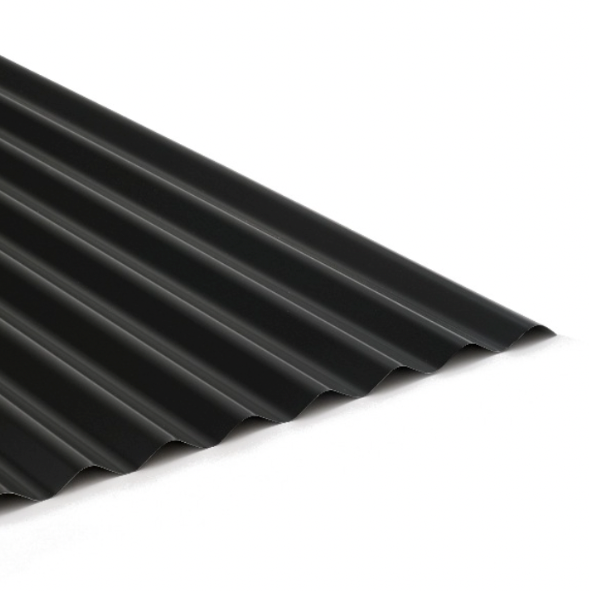
COLORBOND® corrugated roofing sheets, roof flashings, roofing screws and foam infill strips.
Frequently Asked Questions
What is the R-value of a 55mm insulation blanket?
R1.3 for the glasswool alone. The foil facing adds to the total system R-value when there is an air gap beside it, which is why the installed figure on a datasheet is higher than the material figure.
What is the R-value of a 75mm roof blanket?
75mm glasswool blankets are R1.8. Use 75mm foil-backed roofing insulation blanket where the ceiling has no batts or the roof is over a habitable raked ceiling.
Do you need an air gap for foil insulation?
The foil only reflects radiant heat if it faces an air space. Under a metal roof the foil faces down into the roof space, so the gap is there by default. The blanket's own R1.3 does not depend on the gap.
What is the difference between sarking and a roof blanket?
Sarking is foil only: a vapour barrier and radiant barrier with no bulk insulation, so no R-value to speak of and no acoustic benefit. A roof blanket is sarking with 55mm of glasswool bonded to it. Under a metal roof the blanket does both jobs in one pass.
Are roof blankets worth it?
For a metal roof, yes. It is the only layer that stops condensation on the sheet and the only one that quiets rain, and it is cheapest to install on the day the roof goes on. Adding it later means lifting the sheets.
Is this the same as Anticon?
Anticon is Bradford's brand of foil-faced glasswool roof blanket. This is the same type of product, 55mm glasswool with a reflective foil facing, at R1.3, supplied from Australian glasswool manufacturers depending on your state.
Which way does the foil go?
Foil down, glasswool against the roof sheet.
Can I use it on a shed?
Yes. Sheds and carports with no ceiling get the biggest benefit because the blanket is the only insulation there is. Confirm your shed's purlin spacing suits a 1200mm roll.